
Recently, the medical team at FAMILY Hospital Da Nang successfully performed a highly challenging major orthopedic surgery: fixation of a femoral fracture using a PFNA (Proximal Femoral Nail Antirotation) intramedullary nail for a 122-kg male tourist from Myanmar. The procedure not only required advanced surgical expertise but also close coordination among the entire surgical team.
An unexpected accident during a trip to Vietnam
While traveling in Vietnam, Mr. S. unfortunately suffered a fall. He was subsequently admitted to the Emergency department with severe pain and complete loss of mobility in his left leg.
Following a thorough clinical examination and diagnostic imaging, doctors diagnosed the patient with a proximal fracture of the left femur with an extremely complex fracture pattern and multiple bone fragments. Weighing 122 kg, the patient presented a significant treatment challenge. His excessive body weight not only placed tremendous mechanical stress on the fracture site but also substantially increased the risk of complications during and after surgery.
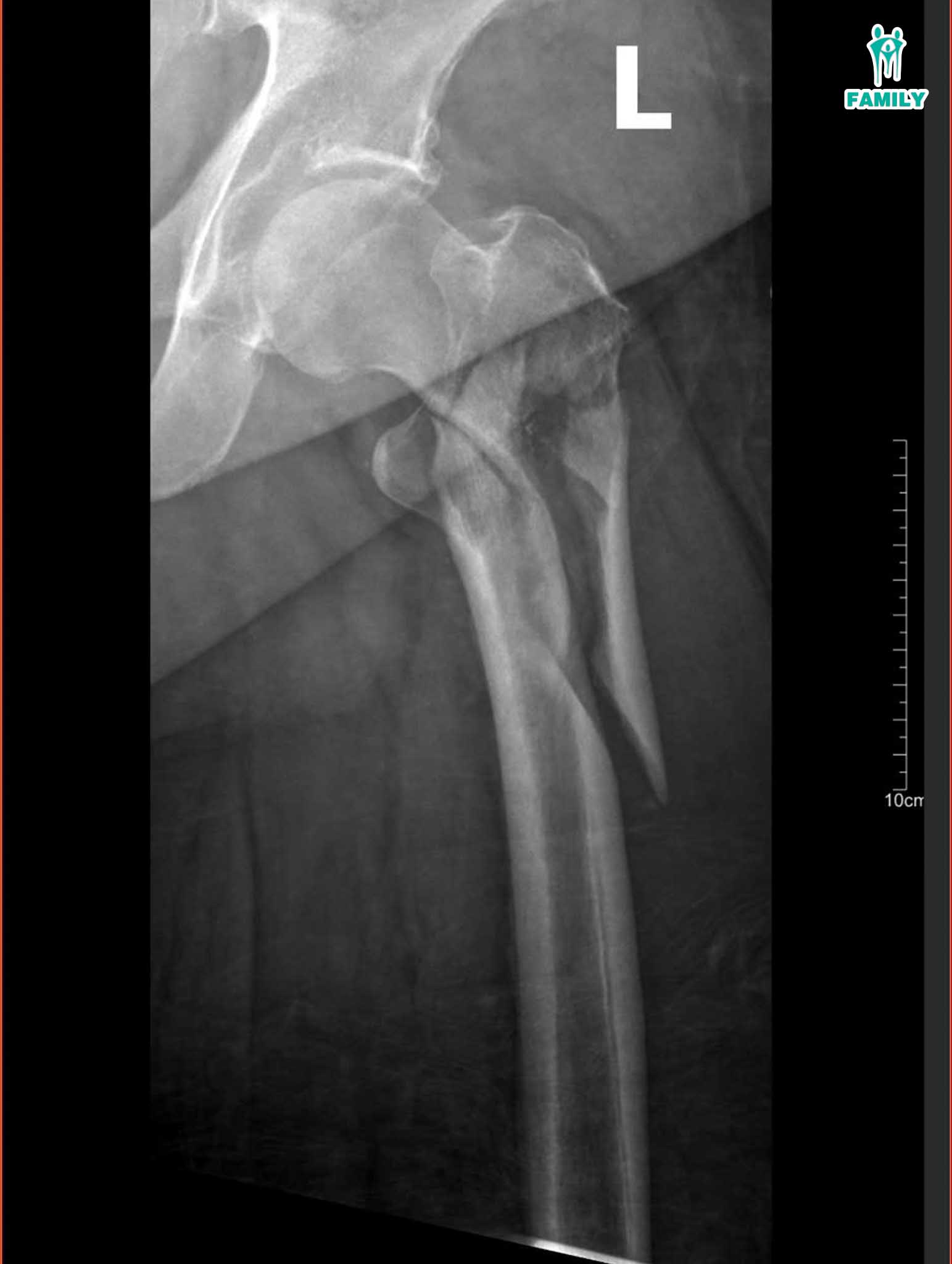
Complex femoral fracture before surgery
PFNA Intramedullary Nailing – The optimal solution and a multidisciplinary team effort
For a complex fracture pattern in a patient with significant body weight, treatment options for fracture fixation are considerably limited. Conventional methods, such as plate-and-screw fixation, may not provide sufficient stability to withstand the mechanical load of a 122-kg patient, resulting in a higher risk of mechanical failure.
After careful multidisciplinary consultation, the medical team decided that closed reduction and internal fixation using a specialized traction table and a PFNA (Proximal Femoral Nail Antirotation) intramedullary nail would be the most appropriate treatment option. This advanced orthopedic technique utilizes a specially designed nail system that provides excellent rotational stability and axial load-bearing capacity, allowing secure fixation even in severely comminuted fractures of the proximal femur.
Challenges faced by the surgical team
Although PFNA was considered the optimal treatment approach, performing the procedure on a 122-kg patient presented significant technical challenges and required both advanced medical equipment and a highly experienced multidisciplinary team.
- Patient transfer and surgical preparation
The nursing and technical staff had to mobilize additional personnel to ensure the patient’s safe transfer and positioning on the operating table.
- Anesthesia management
The anesthesiology team carefully planned and monitored the patient’s respiratory and hemodynamic status throughout the procedure, as obesity significantly increases anesthetic complexity and perioperative risks.
- Fracture reduction under C-Arm fluoroscopic guidance
Achieving proper fracture reduction was one of the most challenging aspects of the surgery. Thick soft tissue and substantial muscle mass obscured anatomical landmarks, making accurate alignment difficult. The surgical team utilized a specialized traction table to overcome the powerful muscular forces acting on the fractured bone, while continuously monitoring the fracture under intraoperative C-arm fluoroscopy to restore proper alignment and achieve optimal reduction of the fracture fragments.
Positive recovery outcome
Thanks to the minimally invasive nature and stable fixation provided by the PFNA nail, the surgery was successfully completed. This technique allows patients to begin mobilization early, reducing the risk of serious complications associated with prolonged immobilization, such as pressure ulcers and deep vein thrombosis—complications that are particularly common among overweight and obese patients.
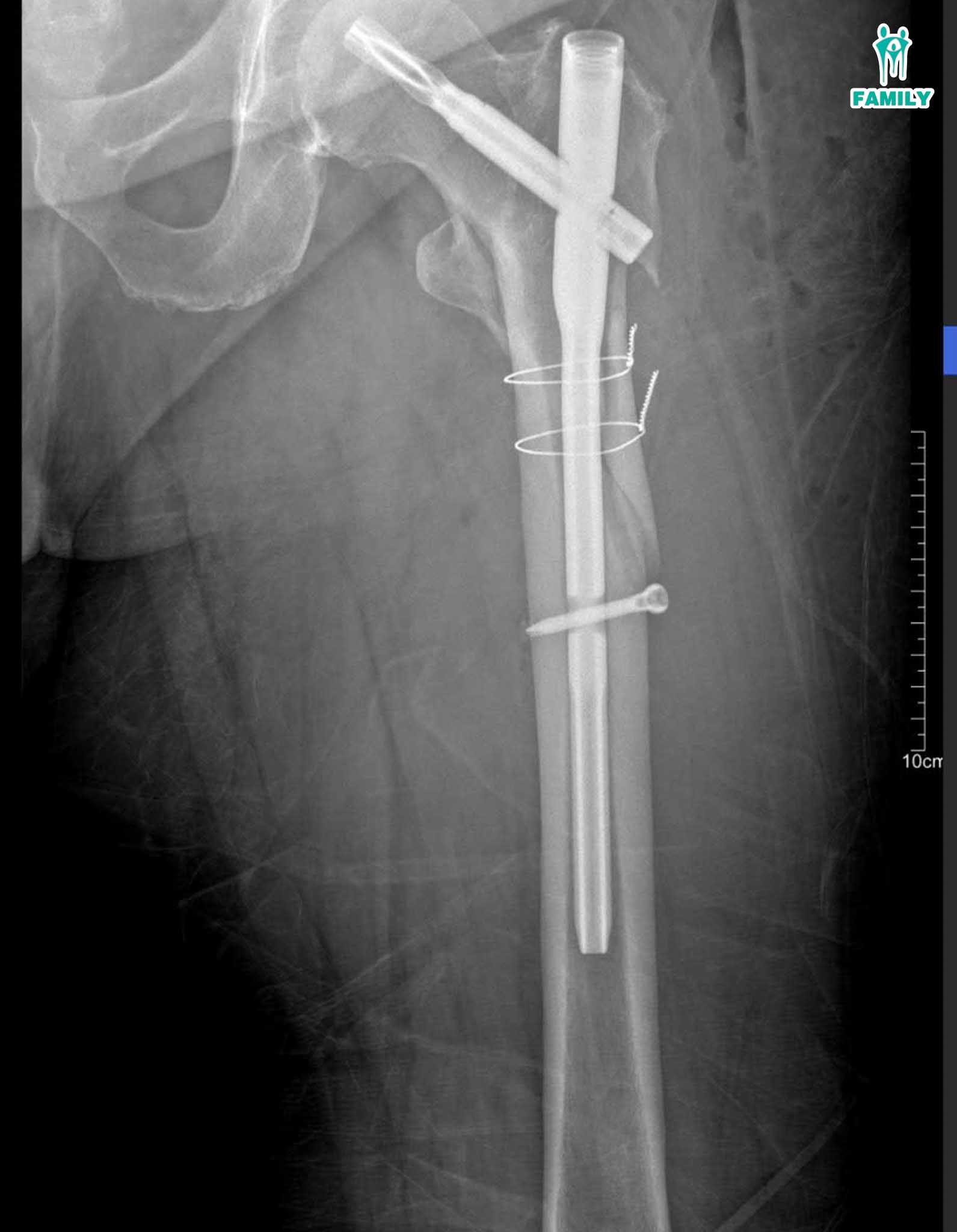
The fracture was securely stabilized with an intramedullary nail.
Just a few days after surgery, the patient was able to gently move his leg and begin a rehabilitation program under the dedicated guidance of doctors and physiotherapists.
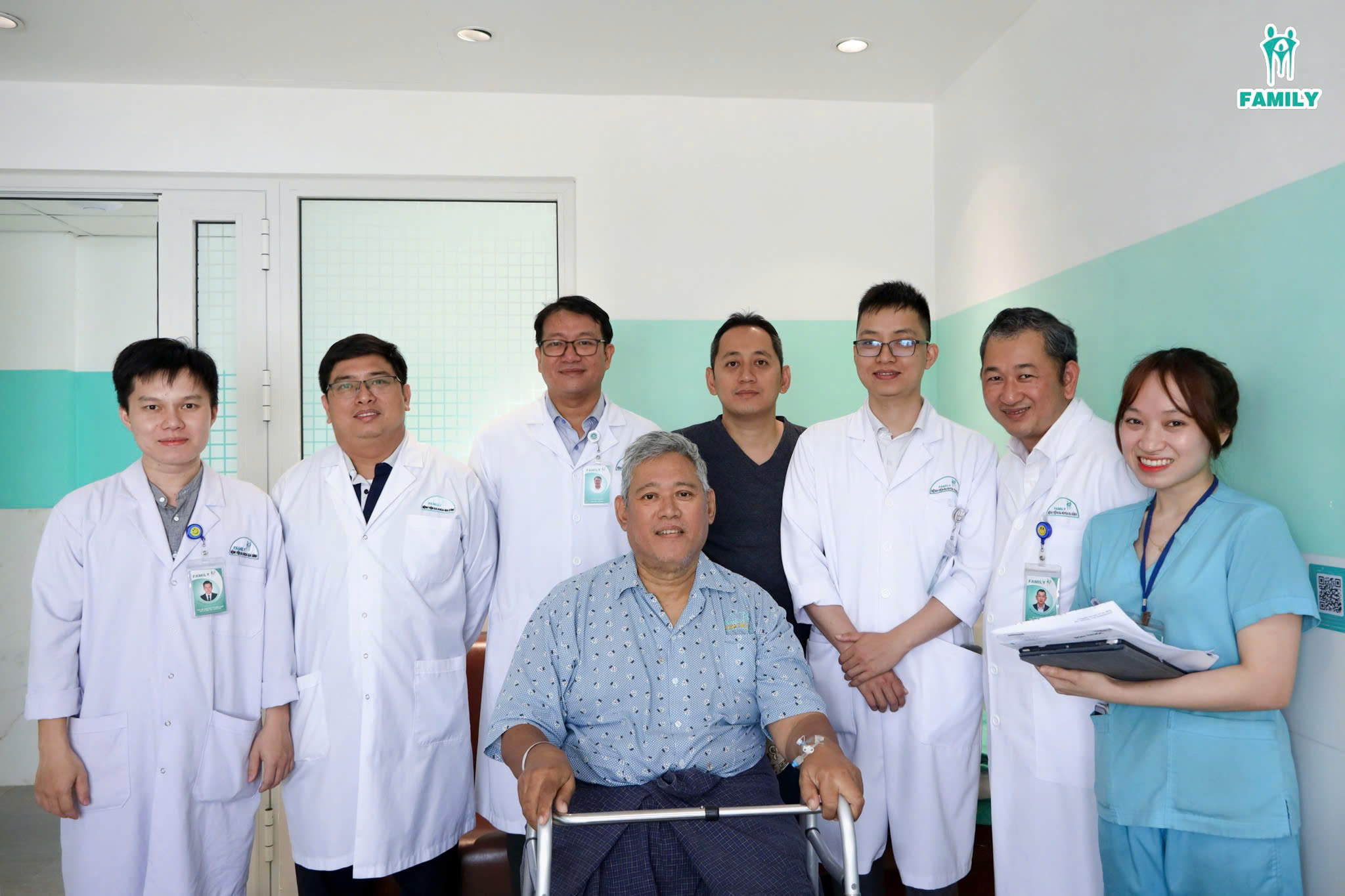
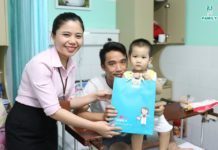
The surgical team at FAMILY Hospital with Mr. S. following his successful femoral fracture fixation surgery.
Dr. Nguyen The Ty, Specialist Level II, Head of the Orthopedics and Sports medicine unit, department of musculoskeletal medicine, Family hospital, shared: “The challenge of this case was not simply reducing and fixing the fracture. More importantly, we needed to select a treatment method that could provide sufficient stability to withstand the mechanical load of a 122-kg body. The successful outcome reflects the seamless combination of clinical expertise and advanced medical technology available at our hospital.”
This successful case further demonstrates that both local residents and international visitors can feel confident receiving high-quality medical treatment and rehabilitation services in Da Nang.